The Chambers
The catechism of the movement.
Short, careful pieces on how classical Chinese medicine actually reads the body. All fifteen chambers are published. Walk in through whichever question is yours right now.
The chambers teach in sequence — from how we read (I–IV), into the body's rhythms (V) and elemental architecture (VI–VII), through what we read (VIII–XI), into how the practice meets modern life (XII–XV). You can also walk in anywhere.
I.
How classical Chinese medicine reads the body
The body has more than parts. A symptom is never alone. The whole is the diagnosis. The foundational frame for everything that follows.
Read →
II.
The six factors
Wind, cold, heat, damp, dryness, summer-heat. Modern stress, modern food, modern climate - all of it filters through these six.
Read →
III.
Pulse
The classical pulse exam reads twelve channels at three positions on each wrist. Put your fingers on what is real.
Read →
IV.
Tongue
The tongue is the heart's voice in the body. Color, coating, shape, moisture, geography - the most stable diagnostic surface we have.
Read →
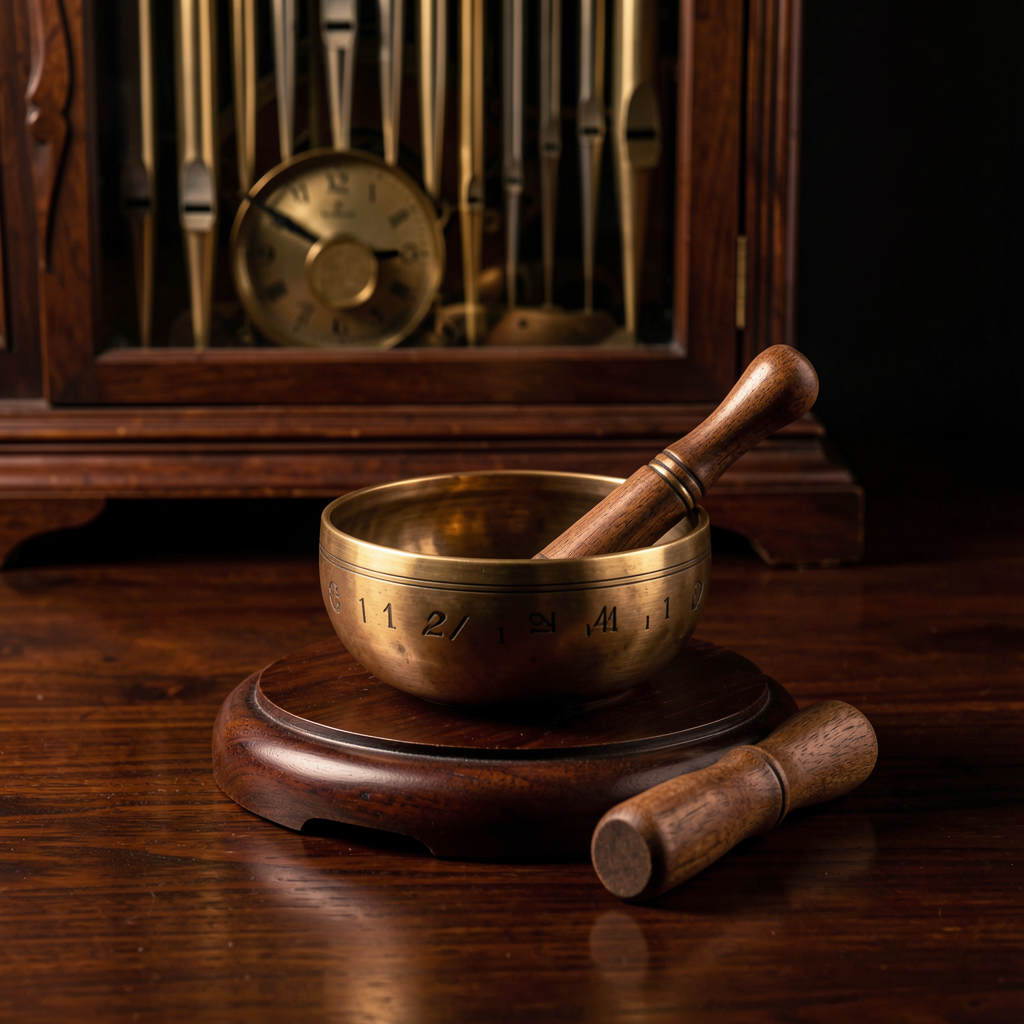
V.
The body's own beat
Pulse. Tone. Time. Spirit. The five tones, the organ clock, and why the body is not on the clock - it is on a beat.
Read →
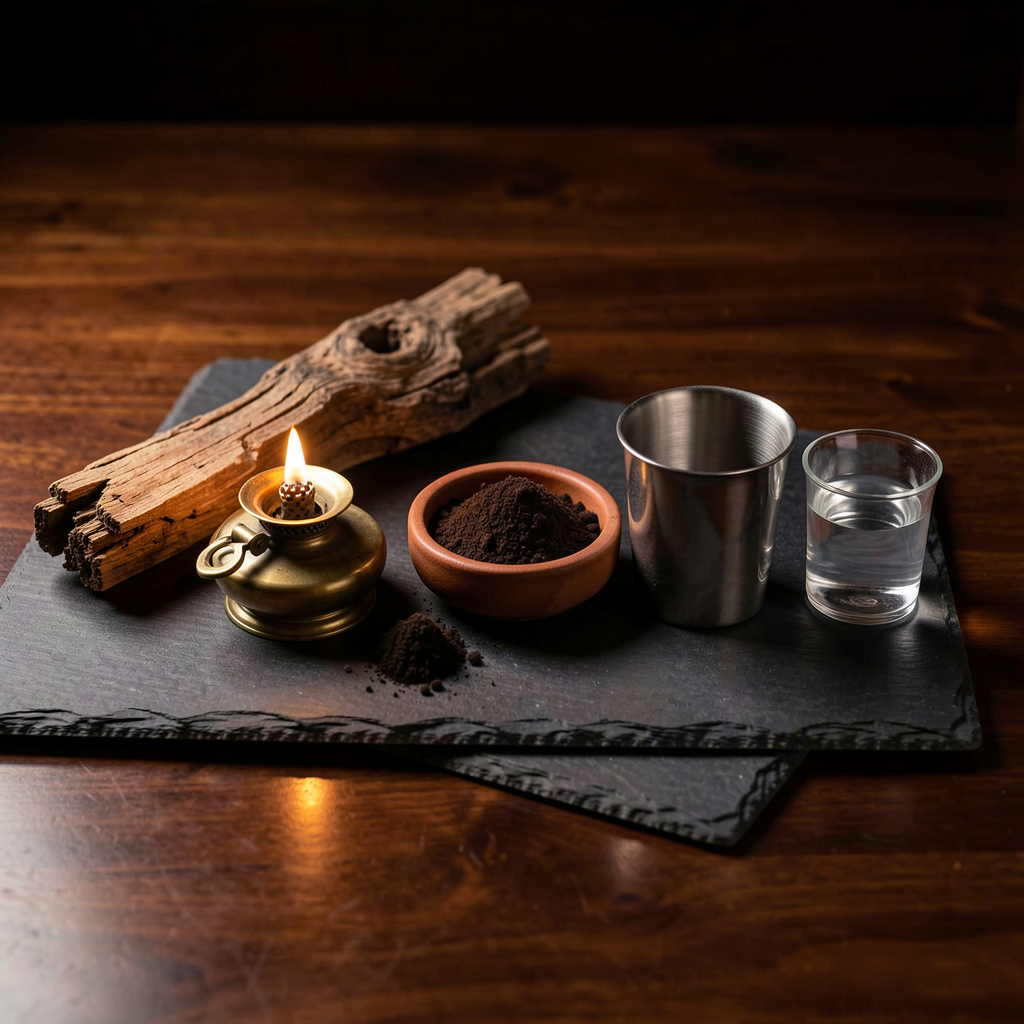
VI.
The Five Phases
Wood / Fire / Earth / Metal / Water - the architecture of transformation. How the classical system reads organ interaction.
Read →
VII.
Yin and Yang
The dialectic underneath everything. What the wellness industry declawed; what the classics actually meant.
Read →
VIII.
Qi, Blood, Body Fluids
The three fundamental substances classical medicine differentiates. Pattern reading begins here.
Read →
IX.
The Zang-Fu Organs
Why "liver" in classical medicine does not equal Western liver. Different question, different answer.
Read →
X.
The Eight Principles
Interior or exterior. Hot or cold. Deficient or excess. Yin or yang. The four diagnostic pairs that locate every disease.
Read →
XI.
What is a pattern?
Syndrome differentiation - the heart of classical diagnosis. Two patients, same Western diagnosis, different pattern, different treatment.
Read →
XII.
Why Custom Beats SKU
A standard formula is a best guess. A custom formula is an answer. Why Rootworth formulates for you, not for a shelf.
Read →
XIII.
The Shang Han Lun
Zhang Zhongjing's treatise on cold damage - two thousand years old, still in clinical use. The six stages of disease progression.
Read →
XIV.
How an Intake Works
What actually happens when you consult. How the questions map to the patterns. How the formula follows from the reading.
Read →
XV.
What Modern Life Does to Classical Patterns
Screen time, chronic stress, cold food, disrupted sleep - mapped onto Liver Qi stagnation, Spleen depletion, Kidney Yin depletion.
Read →
Ready to begin?
Start your classical intake
No labs required. Custom formula follows the pattern. The reading begins with what you bring.
Begin intake form